
How Our Walks Are Graded
All of our walks are graded on a 1-5 star system: Easy, Moderate, Challenging, Strenuous and Severe.
These categories are based on official standards set by organisations such as the South West Coast Path Association who maintain the main walking trails.
Of course any grading system will depend on the individual's fitness and experience, so what one experienced walker feels is 'moderate' grade may well feel more like 'strenuous' for someone new to walking holidays.
So all grades should be taken as a guide only and are intended to give you a reasonably good idea of how easy or difficult a walk is likely to be and how much effort is required. Once you have walked a section you will then have a fairly good idea how other parts of your route will compare.
Any reasonably fit walker should be able to manage any grade without a problem, but where a section of the route is graded as strenuous or severe then this is an indication that this section requires harder work and is likely to mean slower progress. Those who are less fit or regular walkers need to plan shorter walking days and distances if heading into strenuous and severe walking grades.
Bear in mind that these gradings are relative to the rest of the trail - So none of our walks are dangerous or technically difficult and none of them need specialist equipment. There is no climbing or mountaineering and 'severe' does not mean your life is in danger but it does mean you can expect a lot of ups and downs and effort!
Our 5-Star Grading System
Find the right challenge level for you with our clear grading system
Perfect for beginners
Gentle walks on well-maintained paths with minimal elevation. Ideal for those new to walking holidays or looking for a relaxed pace.
Flat or gently undulating paths, well-signposted routes
Typically 8-12 miles per day
Less than 500ft total ascent per day
Beginners, families, those seeking a leisurely pace
A comfortable challenge
Well-defined paths with some hills and varied terrain. A good introduction to more adventurous walking.
Mix of surfaces including some uneven ground, occasional steep sections
Typically 10-14 miles per day
500-1500ft total ascent per day
Regular walkers with reasonable fitness
For experienced walkers
Longer days with significant elevation changes. Requires good fitness and some walking experience.
Varied terrain including steep climbs, rocky paths, and exposed sections
Typically 12-16 miles per day
1500-2500ft total ascent per day
Experienced walkers with good fitness levels
A serious undertaking
Demanding walks with steep climbs, long distances, and challenging terrain. Requires excellent fitness.
Rough ground, steep ascents and descents, potentially remote areas
Typically 14-18 miles per day
2500-4000ft total ascent per day
Very fit walkers with extensive experience
The ultimate challenge
The most demanding walks we offer. Long days, extreme elevation, and challenging conditions. Only for the most experienced and fit walkers.
Extremely steep sections, remote areas, potentially rough and exposed paths
Up to 20+ miles per day
4000ft+ total ascent per day
Elite walkers seeking maximum challenge
Coastal vs Inland Walking
The type of terrain affects how the grades feel in practice
Coastal Walking
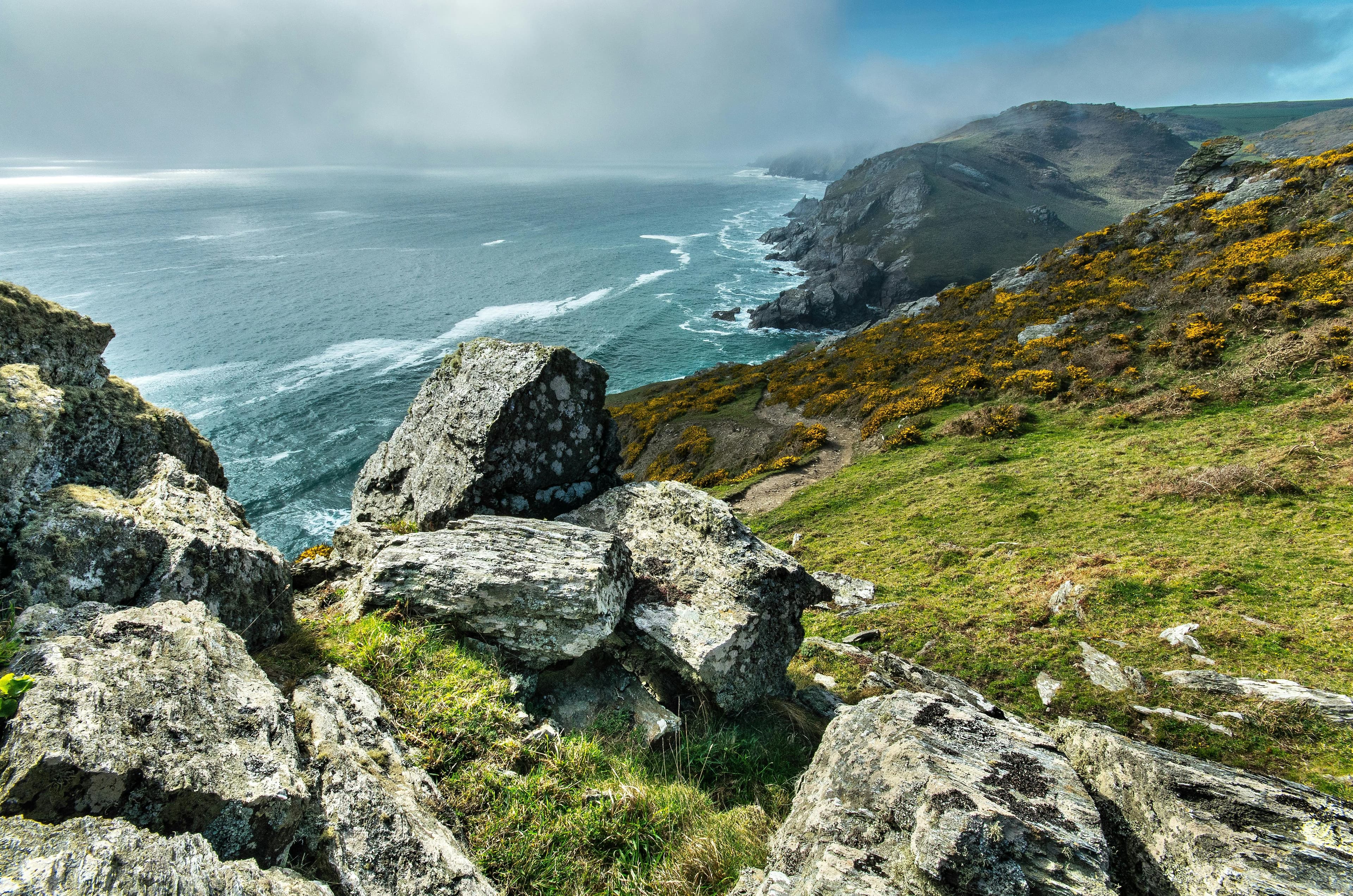
Generally, the coast paths are well-maintained and well-walked but, as the paths follow the coastline in most areas, the path repeatedly ascends to cliff tops and then descends back down to the little coves and beaches in between. Think of a long roller-coaster of climbs and descents and you are on the right lines.
In general the difference in the grades reflects the number and the steepness of these climbs and descents - this is the main factor in how difficult your walk will be.
Inland Walking
Gentle countryside walks on clear paths. Rolling hills rather than steep climbs. Often through farmland or along river valleys.
Generally inland routes are not such a roller-coaster as the coastal ones. There are more long, repetitive but longer and less steep sections. Grading for inland routes takes more account of the general level of difficulty, how exposed the area is and the likely trail conditions underfoot.
Still Unsure About What You Can Manage?
Three tips to help you choose the right grade
Read the walk reviews
Go to the web pages on our site for the walk you want to do. You will see lots of reviews and comments from other walkers who have been there before you. Read their comments on the efforts required and whether or not they felt it was much harder (or easier) than imagined.
Look at pictures of the trail
Run a search on Google for the South West Coast Path and the area you are walking. Click on 'images' at the top of the search results and you will see pages of photos. This is a great way to scan lots of images of the trail quickly to get a feel for the terrain and path in that location.
Talk to a walking advisor
If you are still unsure about grades or what level you can manage then feel free to contact us to discuss it with a walking advisor who has walked the routes. We will ask you about your previous experience and can then talk to you about the routes you are considering.
Get AdviceFinal Words... Be Cautious!
If there is one golden rule it's be cautious about what you can manage.
With years of experience in booking walking holidays on these routes for people from all over the world, we can be very clear here and say that as a general rule most people tend to over-estimate what they can do - particularly on the coast paths. Things like bad weather, welcoming pubs, interesting views and diversions to attractions or beaches all tend to slow you down on a walking holiday, making increasing the time and effort required.
If you arrive earlier than planned at your destination - well done - there is usually something to explore at your overnight stop or just enjoy an early drink. Far better that than finding that every day you are being challenged far more than you wanted and are having to miss things by rushing or you feel exhausted every day.
Remember it's a walking "holiday"!