Why Slower Adventures Create Deeper Memories
The best journeys aren’t always the fastest ones.
Forfatter
Emma J
Dato
2025-01-07T00:00:00.000Z
Les
5 min lesing
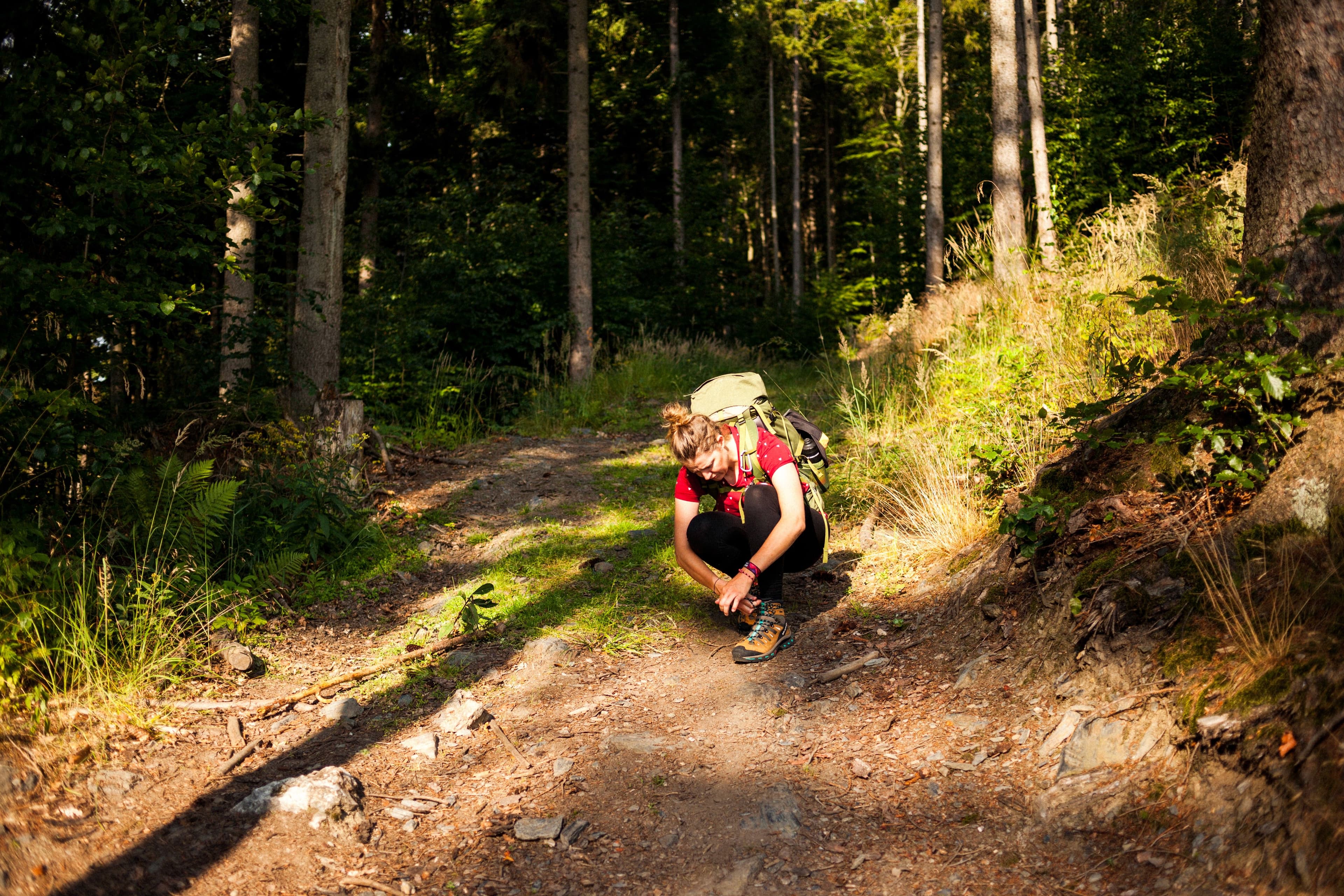
The best journeys aren’t always the fastest ones.
In a world obsessed with doing more, seeing more, and ticking more boxes, a growing number of travellers are choosing a different approach entirely. Slow travel holidays are about replacing the rush with presence, and in doing so, unlocking richer experiences, stronger memories, and genuine mental restoration.
If you’ve ever returned from a holiday feeling like you need another holiday, slow travel might be exactly what you’re looking for.
What is Slow Travel?
Slow travel is exactly what it sounds like, but it goes deeper than just moving at a leisurely pace. It’s a philosophy of travel built around immersion, intention, and connection.
In practice, slow travel means:
- Spending weeks in one place rather than days
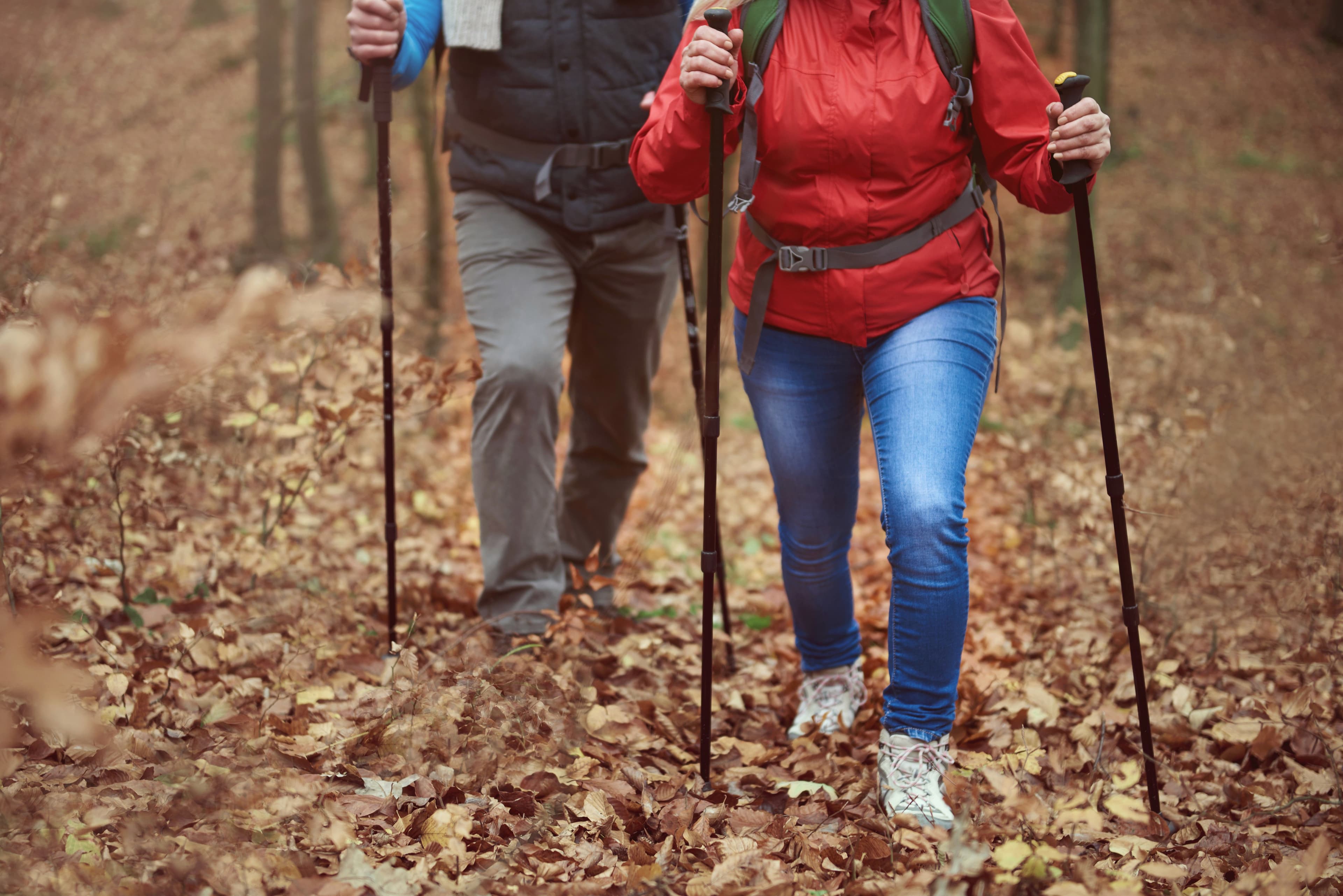
- Walking instead of driving, allowing you to notice what you’d otherwise miss
- Staying in local guesthouses and B&Bs rather than international hotel chains
- Embracing spontaneity over rigid, back to back itineraries
Walking holidays are one of the best ways to experience slow travel. Every step is part of the journey, and the journey itself becomes the destination.
Why Choose a Slow Travel Holiday?
The benefits of slow travel go far beyond simply feeling more relaxed. Research and lived experience both point to the same conclusion: slowing down makes travel more meaningful.
Here’s why more travellers are making the switch:
- Deeper cultural immersion
- Stronger, lasting memories
- Reduced stress and mental fatigue
- Greater spontaneity
- A genuine sense of belonging
The Science Behind Slow Travel and Mental Health
There’s growing evidence that how we travel matters just as much as where we travel.
A study published in Nature found that people who encounter more varied scenery day to day report significantly higher levels of happiness. It’s not just about seeing new places, it’s how you fully experience them.
Why Rushing Works Against Your Brain
When you sprint through destinations, your brain enters a kind of autopilot mode, processing sights without truly absorbing them. Psychologists call this “cognitive overload” which means there is too much sensory information arriving too quickly for your brain to encode properly.
Slow travel works with your natural cognitive processes:
- Rich encoding: memories formed across multiple sense, emotions, and contexts are more vivid and longer lasting
- Consolidation: your brain has time to weave experiences into your deeper sense of self
- Mindful attention: slower pacing encourages you to notice subtler details that rushing would erase
The results? You come home genuinely changed, not just temporarily entertained.
How Slow Travel Reduces Stress
One of the most immediate benefits of slow travel is what it does to your nervous system.
When you’re not constantly checking itineraries, racing to catch transport, or worrying about what you're missing, your body can shift out of the chronic stress response that defines much of modern life. In its place comes relaxed alertness, the mental state optimal for both enjoyment and learning.
Slow travel also creates space for:
- Temporary routines: having a favourite morning cafe or a familiar walking route in a new place creates a powerful sense of comfort and belonging
- Genuine rest: not just a change of scenery, but true psychological restoration
- Present-moment awareness: the kind of mindfulness that’s hard to manufacture but happens naturally when you’re not rushing
The Memory Advantage: Why Slow Trips Stay With You Longer
Ask a slow traveller about their last holiday and they’ll remember it in detail. The smell of the morning air, the conversation with a stranger, the light at a particular time of day.
Ask someone who did seven cities in ten days, and the memories often blur together.
This isn't a coincidence. It's neuroscience.
When we linger in a place, we begin to notice things that wouldn’t register on a fleeting visit:
- The way a village comes alive on market day
- The rhythm of coastal tides on a multi-day coastal walk
- The subtle shift in landscape from valley to ridge
These layered, sensory-rich observations create the kind of deep memories that last years, not just days.
Experience Slow Travel With Walking Holidays in the UK
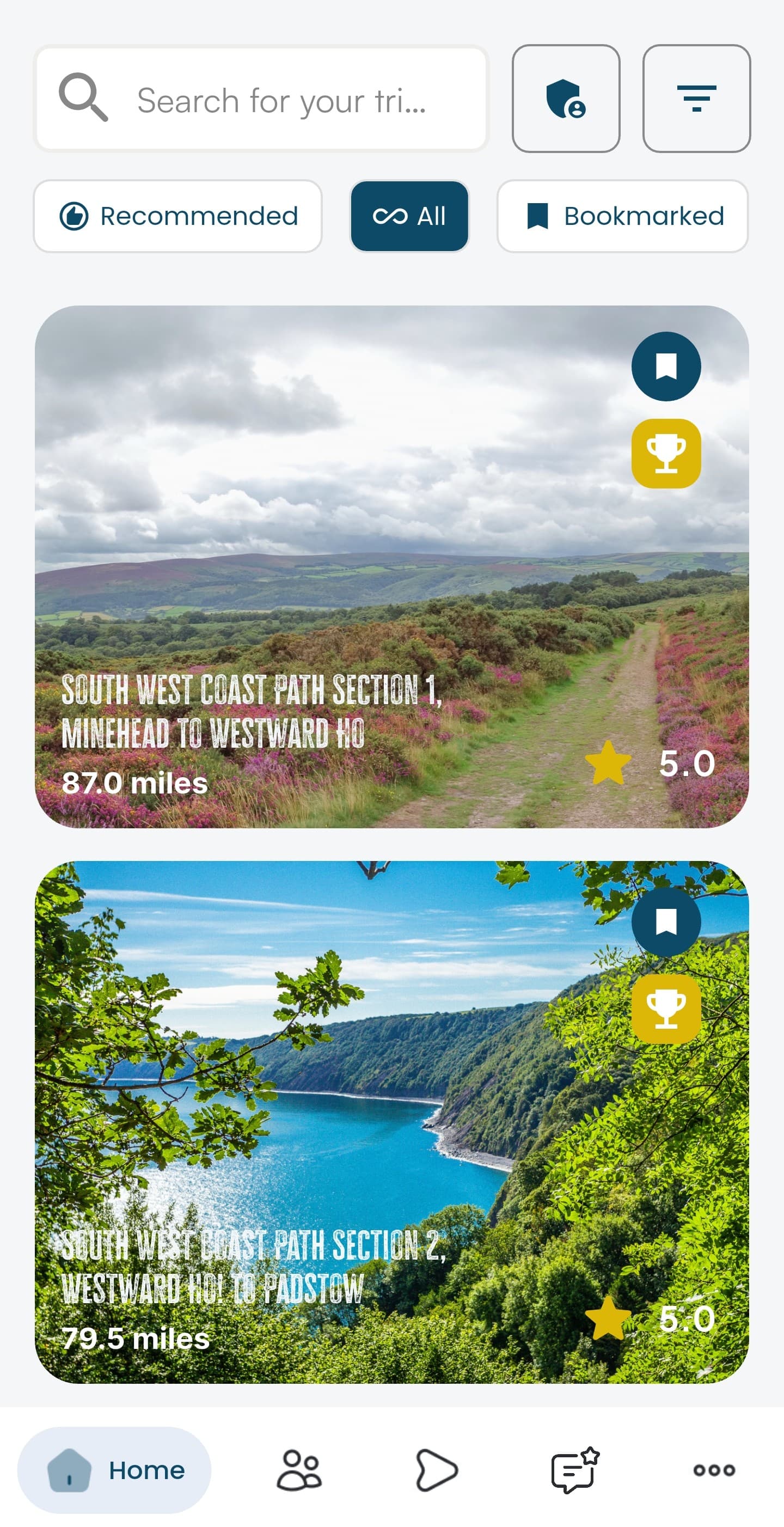
Walking holidays are some of the most effective ways to experience slow travel, especially in the UK. Moving through a landscape on foot puts you in direct contact with your surroundings, and with yourself. Popular routes include long distance coastal paths, national trails, and guided countryside walks where your guide will give you local knowledge and curated experiences.
More travellers are prioritising the meaningful, immersive experiences of walking holidays. As an efficient way to combine physical wellbeing, mental restoration, and genuine connection with the world around you, the interest in walking holidays have surged.
Tips for Planning Your Slow Travel Holiday
- Choose depth over breadth: fewer destinations, more time in each
- Walk as much as possible: foot travel naturally slows your pace and sharpens your attention
- Stay local: guesthouses, B&Bs, and family run inns offer a more authentic experience than large chains
- Leave itinerary gaps: unplanned time is where the best moments often happen
- Go at your own pace: slow travel isn’t about following rules; it’s about giving yourself permission to stop rushing
Start Your Slow Travel Journey With Encounter Walking Holidays
A slow travel holiday isn’t just a trip, it’s a different way of experiencing the world. With the right route, the right pace, and the right support, you can return home not just rested, but genuinely renewed.
At Encounter Walking, we specialise in helping people find the kind of travel that stays with them long after they’ve unpacked. Whether you’re drawn to coastal walking routes, inland trails, or something entirely your own, we’d love to help you design it.
So take a breath, slow down, and get in touch. Your most memorable journey might just be the one where you stopped trying to rush.
The journey of a thousand miles begins with a single step. Taken slowly, with full attention to where you are.
Del denne artikkelen